
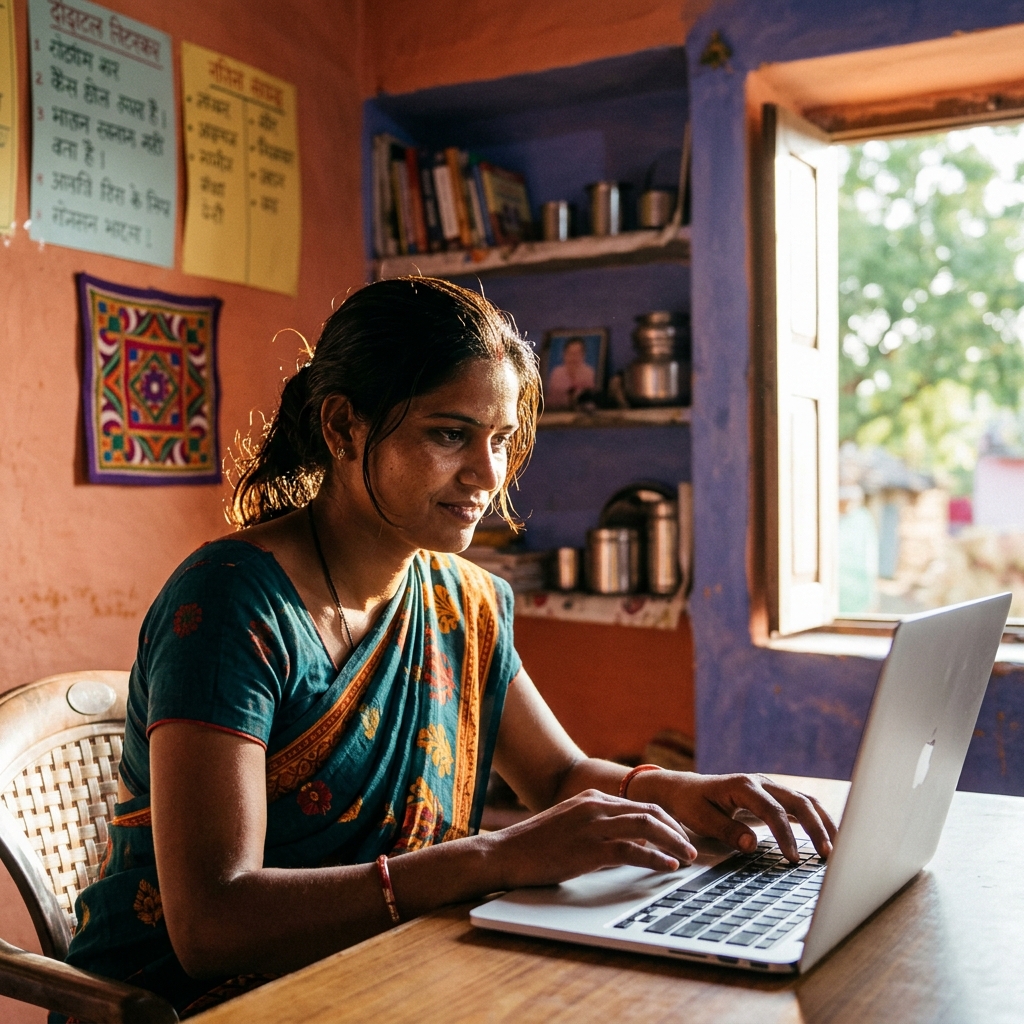
How NGOs Use Technology for Social Impact in India — Digital Tools That Are Changing Community Development
“Technology does not automatically create social impact. But in the right hands, with the right community relationships behind it, it can multiply impact in ways that were simply not possible a decade ago.â€
The relationship between NGOs and technology has changed dramatically over the past decade. Where technology was once seen primarily as an administrative tool — for managing databases and sending emails — it is now a core program delivery mechanism, an impact measurement tool, a fundraising channel, and increasingly, a direct service delivery platform for beneficiaries.
Across India, NGOs are using digital tools to reach more people, deliver better programs, demonstrate impact more rigorously, and connect communities to resources and opportunities that geography previously put out of reach. Sundaram Ammal Foundation's evolving use of technology in its Tamil Nadu programs reflects this broader shift in how community organisations operate in a digital age.
How NGOs in India Are Using Technology for Social Impact — Key Applications
Mobile-Based Program Delivery and Learning
Smartphone penetration across rural Tamil Nadu has created a new delivery channel for NGO programs that did not exist five years ago. Skill training content, financial literacy modules, health information, and career guidance can now be delivered through mobile-based platforms — reaching beneficiaries between in-person sessions, enabling self-paced learning, and extending program reach to individuals who cannot attend physical sessions consistently due to work or family responsibilities.
WhatsApp, in particular, has become a practical community communication and learning channel for NGOs working in rural India. Program updates, learning content, session reminders, and peer support happen through WhatsApp groups that keep community members connected between formal program touchpoints. SAF uses digital communication channels to maintain continuity of engagement with program participants across Tamil Nadu.
Data Collection and Impact Measurement
The credibility of NGO programs depends on the ability to demonstrate impact with evidence. Technology has transformed how NGOs collect, manage, and report program data. Digital data collection tools — mobile surveys, digital attendance systems, and beneficiary tracking platforms — replace paper records that were difficult to compile and analyse, enabling real-time program monitoring and evidence-based program adaptation.
For Sundaram Ammal Foundation, rigorous impact data serves both an accountability purpose — demonstrating to donors and partners that programs are achieving their intended outcomes — and a program improvement purpose, identifying where interventions are working well and where they need adjustment. Technology makes this learning cycle faster and more evidence-based than it was in the era of paper registers and annual reports.
Online Fundraising and Donor Communication
Digital platforms have democratised NGO fundraising in India. Platforms like Give.in, Milaap, and India's Crowdfunding ecosystem allow NGOs to reach individual donors nationally and globally who would never have encountered them through traditional channels. Social media enables NGOs to share authentic stories of impact, build communities of supporters, and respond to crises with rapid fundraising campaigns.
For smaller NGOs working in Tamil Nadu — including Sundaram Ammal Foundation — online fundraising has expanded the potential donor base beyond the immediate geography of the organisation's work, connecting people who share a commitment to rural community development with organisations doing that work on the ground.
Digital Financial Inclusion for Beneficiaries
Technology is also transforming how NGO beneficiaries access financial services. UPI, Jan Dhan accounts, and government direct benefit transfer systems have brought formal finance within reach of rural communities that were previously entirely dependent on informal, often exploitative financial arrangements. NGOs that teach digital financial literacy — how to use UPI, how to access government scheme benefits digitally, how to maintain a mobile banking account — create lasting economic benefit that extends far beyond the duration of any individual program.
For women in rural Tamil Nadu in particular, digital financial access creates a pathway to economic independence that was previously blocked by physical and social barriers to traditional banking. An NGO that teaches a woman to use her Jan Dhan account and UPI wallet has given her a tool whose value compounds over her entire economic life.
Connecting Beneficiaries to Online Economic Opportunities
Perhaps the most transformative use of technology in NGO social impact work is connecting rural youth and women to digital economic opportunities — freelancing platforms, online selling, content creation, remote work, and digital service delivery. These opportunities represent income pathways that do not require migration, do not depend on the limited local job market, and are accessible to anyone with a smartphone and a saleable skill.
SAF's livelihood programs increasingly include digital work pathways as a component — teaching participants not just traditional vocational skills but the digital skills and platform literacy needed to access online income opportunities. This integration of technology into livelihood programming reflects an understanding that the economy rural communities are preparing young people for is increasingly digital.
Sundaram Ammal Foundation uses technology to enhance program delivery, measure impact, connect with supporters, and open digital economic pathways for the communities we serve in rural Tamil Nadu. Our technology use is always in service of deeper community relationships, not a replacement for them.
The Limits of Technology in NGO Social Impact Work — What It Cannot Replace
Technology is a powerful multiplier for NGO programs — but it is not a substitute for the human relationships that community development depends on. A digital learning module cannot replace the facilitator who understands why a particular participant is struggling. A data collection app cannot replace the programme officer who knows the community well enough to interpret what the numbers actually mean. An online fundraising campaign cannot replace the trust that is built through years of consistent community presence.
The most effective NGOs using technology for social impact are those that deploy it to extend and enhance human relationships, not to replace them. Technology that reduces friction, increases reach, and improves evidence quality while preserving the community trust and personal connection that makes programs work — this is technology in service of mission, and it is what Sundaram Ammal Foundation aims for in its evolving use of digital tools.
Frequently Asked Questions — How NGOs Use Technology for Social Impact
Support Technology-Enabled Community Development in Tamil Nadu
Partner with Sundaram Ammal Foundation to bring digital tools and opportunities to rural communities across Tamil Nadu.
sundaramaf.org | director@sundaramaf.org | +91-98421-60709
Donate Now