

 Are
you ready to help them? Let's become a volunteer...
Are
you ready to help them? Let's become a volunteer...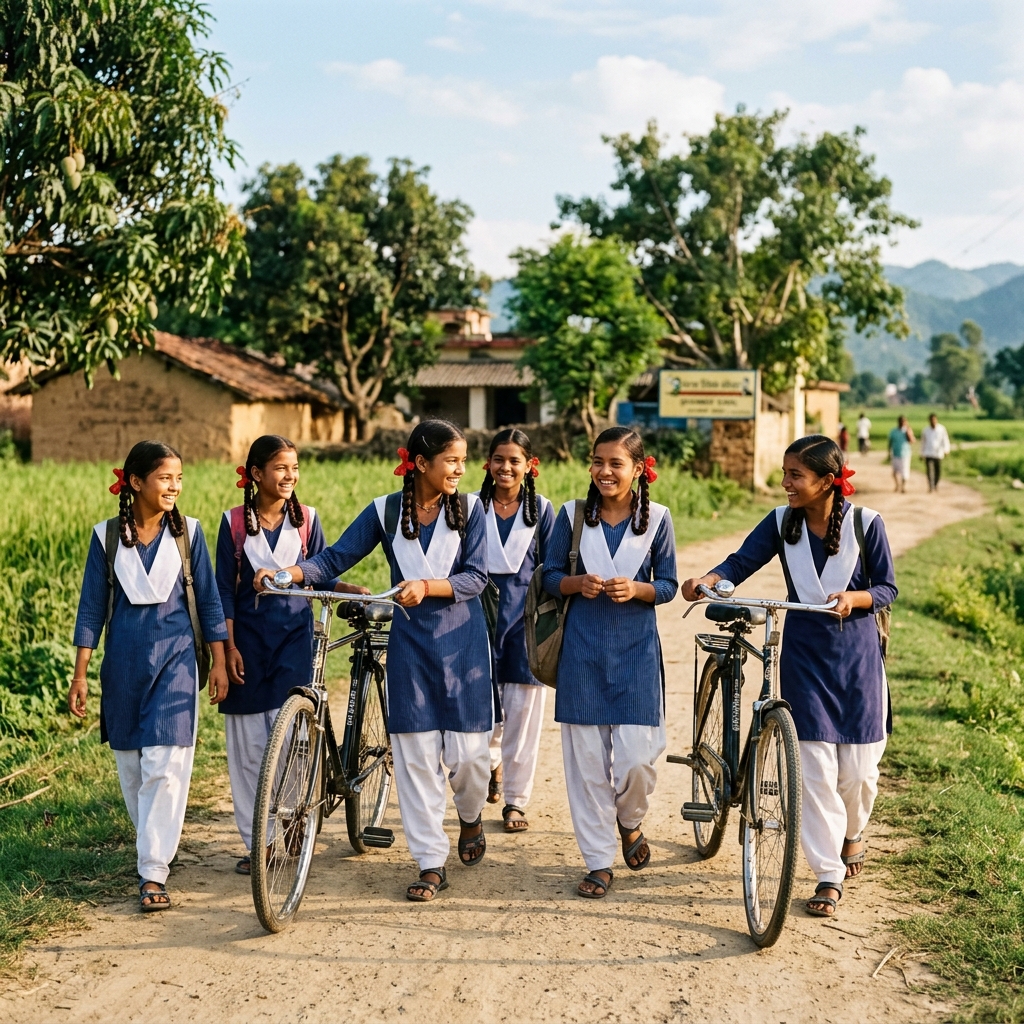
The Dropout Crisis No One Talks About: Why Tamil Nadu's Village Girls Leave School at 13 — and What SAF Is Doing About It
“At age 13, a rural girl's education hangs by a fragile thread. Keeping her in school does not just empower her—it transforms the future of her entire family.”
Tamil Nadu is widely celebrated for its high literacy rates and progressive educational policies. Yet, hidden beneath the macro-statistics lies a critical dropout crisis that rarely makes the headlines. Between the ages of 13 and 14—the transition period between Class 8 and Class 9—thousands of village girls quietly vanish from the school system. For many, this marks the end of their formal education and the beginning of a life confined to household chores, early marriages, or low-wage labor.
At Sundaram Ammal Foundation (SAF), we are actively tackling this dropout crisis on the ground. By analyzing why village girls leave school at this specific age, we have designed targeted, community-centric solutions that keep rural girls in the classroom, ensuring they have the opportunity to build independent lives.
Why Do Village Girls Leave School at 13?
The reasons for the dropout crisis among Tamil Nadu's village girls are complex and deeply intertwined with safety, geography, and socio-cultural expectations. Here are the main drivers:
- Lack of High Schools in Close Proximity: While primary schools are available in almost every village, high schools are often located 5 to 10 kilometers away. Traveling these distances through deserted roads presents significant safety challenges.
- Inadequate Sanitation Facilities: As girls enter puberty, the lack of private, functional toilets in rural schools becomes a major barrier, causing them to miss school or drop out entirely.
- Socio-Cultural Roles and Sibling Care: In economically disadvantaged households, older daughters are often expected to stay home to take care of younger siblings or help with domestic duties while parents work.
- Financial Constraints: If a family faces financial hardship, they prioritize the education of sons over daughters, viewing girls' education as a secondary concern.
The Long-Term Impact of Dropping Out
When a girl leaves school at 13, the economic and social consequences are devastating. She is stripped of her financial independence, making her vulnerable to early marriage and economic dependency. Conversely, studies show that every additional year a girl remains in secondary school increases her future earning potential by up to 20% and drastically improves child health and family nutrition outcomes in the next generation. Girls' education is, without doubt, the most effective tool to break cycles of intergenerational poverty.
What SAF Is Doing to Solve the Crisis
Sundaram Ammal Foundation does not just study the problem—we act. Our local interventions are designed to dismantle the barriers that cause girls to drop out:
1. Localized After-School Tutoring Centres
We set up study centres directly inside villages, removing the need for girls to travel far for educational support. Our centres offer a safe, bright environment where they receive academic coaching, preventing them from falling behind in challenging subjects like math and science.
2. Transportation and Safety Support
We collaborate with local communities to organize safe travel groups for high school girls. By providing bicycles and coordinating peer travel groups, we ensure that the daily commute is no longer a safety risk.
3. Parent Counseling and Community Awareness
Our facilitators conduct monthly counseling sessions with parents to discuss the value of secondary education, the dangers of early marriage, and how keeping daughters in school leads to long-term financial security for the family.
4. Life Skills and Menstrual Hygiene Education
We organize regular health workshops that distribute hygiene kits and educate girls on menstrual health, helping them manage their cycles with dignity and without missing school.
SAF is committed to ensuring that no girl in our target villages leaves school due to safety or financial reasons. Support our girls' education fund today.
Frequently Asked Questions
Prevent School Dropouts Among Rural Girls
Sponsor a village girl's education, tutoring, and travel safety with Sundaram Ammal Foundation.
sundaramaf.org | director@sundaramaf.org | +91-98421-60709
Leave a Reply
Your email address will not be published. Required fields are marked