

 Are
you ready to help them? Let’s become a volunteers...
Are
you ready to help them? Let’s become a volunteers...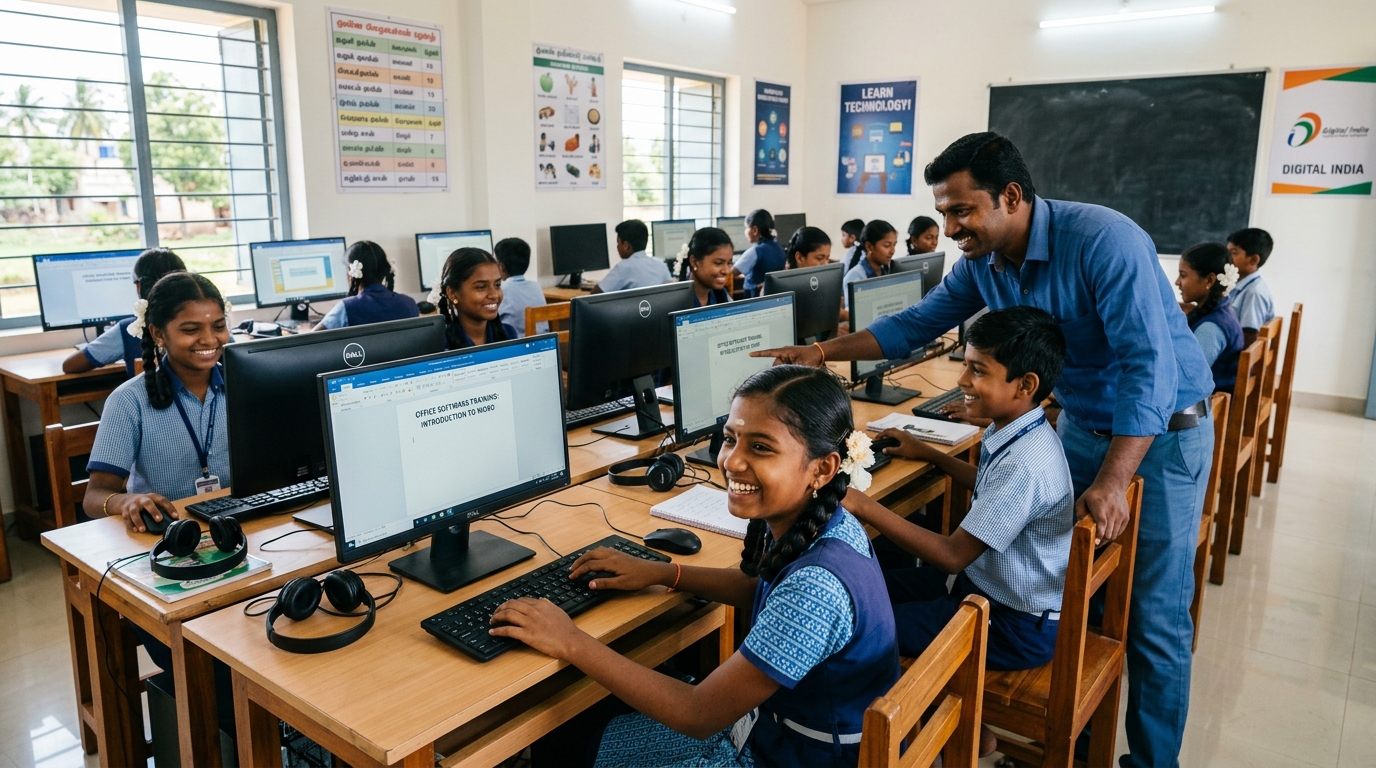
NGO Help for Education: The Role of Computer Training in Building Career Skills
Introduction
Almost every workplace today, from a small shop to a large office, expects its staff to use a computer with some comfort. Yet many young people finish school without ever having had regular access to one. For them, the gap between education and employment can feel wide. NGO help for education can narrow that gap by offering computer training that is practical, affordable and easy to reach. Sundaram Ammal Foundation, based in Thoothukudi, believes in building skills that help individuals become confident and self-reliant, and computer training is one of the clearest ways to turn that belief into career readiness.
Why Computer Skills Have Become a Career Basics
Not long ago, computer knowledge was seen as a specialised skill. Today it is closer to a basic requirement. Employers expect staff to prepare documents, maintain records, send emails and handle simple software without needing constant help. A candidate who has these abilities begins an interview with a visible advantage, while one who lacks them may be overlooked regardless of other strengths. Computer training gives young people the foundation they need to be taken seriously in the job market.
Starting from the Very Beginning
Many learners in NGO programmes have never touched a keyboard or used a mouse. Good training respects this and begins with the basics, such as switching on a system, understanding files and folders, and typing with growing speed and accuracy. Starting at this level removes the fear that many beginners carry. When a learner sees that each step is manageable, they gain the courage to move forward, and the early sense of achievement makes later lessons far easier to absorb.
Office Software and Everyday Workplace Tasks
Once the basics are comfortable, training can move to the tools most workplaces actually use. Learning to write and format a document, organise information in a spreadsheet and prepare a simple presentation prepares students for tasks they will meet in many jobs. These skills are useful across fields, whether someone later works in an office, a shop, a clinic or a small business. Practising on realistic tasks, such as writing a letter or preparing a simple list of records, shows learners how their skills apply in real work.
Using the Internet and Email Responsibly
Knowing how to use the internet well is as important as knowing how to type. Students learn to search for reliable information, send and reply to emails politely and keep their personal details safe online. These habits matter in a professional setting, where clear and courteous communication is expected. Learning to recognise suspicious messages and protect passwords also helps students stay safe, which is a lesson that benefits them in their personal lives as well.
Preparing for Job Applications
Many opportunities are now advertised and applied for online. A young person who cannot create a resume, fill in an online form or attach documents to an email may miss chances they are otherwise qualified for. Computer training that includes resume preparation and application practice gives learners a direct route from learning to employment. Guidance on presenting their skills honestly and clearly helps them approach employers with more confidence.
Opening Doors to Further Learning
Computer skills do more than help students apply for jobs. They also give learners access to additional courses, study material and information that can support continued growth. A student who can navigate online resources is able to keep learning long after a formal programme ends. This independence is valuable because careers change, and the ability to pick up new skills quickly keeps a person useful at work.
Building Confidence and Independence
There is a quiet change that happens when a person learns to use a tool that once felt out of reach. Confidence rises, and with it comes a stronger belief in one’s ability to learn other things. Learners begin to rely less on others for tasks such as filling forms or looking up information, and they feel more in control of their own progress. This independence is one of the most lasting benefits of computer training, and it extends well beyond any single job.
What Makes Computer Training Effective
Effective training is steady, patient and practical. Small groups, regular practice time and instructors who explain things simply help learners keep up. Real tasks work better than long theory lessons, because they show the purpose of each skill. Encouraging learners to practise regularly and ask questions freely makes the programme more supportive and more successful. Training that adapts to the learner’s pace ensures that no one is left behind.
Support Skill Development
Help us equip more rural youth with practical digital and career skills for a brighter future.
Donate TodayConclusion
Computer training turns education into employable skill by teaching young people to use the tools that modern workplaces depend on. NGO help for education that includes this kind of practical instruction gives learners the confidence and ability to apply for jobs, perform tasks reliably and keep growing in their careers. By making these skills accessible, organisations like Sundaram Ammal Foundation help young people take a meaningful step towards independence, dignity and a brighter future.
Leave a Reply
Your email address will not be published. Required fields are marked